Smoke odor lingers after fire
We remove the soot source first, then run hydroxyl generators and thermal foggers, and seal porous surfaces with encapsulant sealer. The smell goes away because the source is gone, not because it was masked.
Soot Removal in VENTURA, California is not a wipe-down job. Smoke residue is acidic, oily, and it keeps etching surfaces and souring the air long after the flames are out. Our fire soot removal services VENTURA crews pull soot off walls, ceilings, framing and HVAC components, then seal what is left so the smell does not come back. If you are standing in a smoky house right now, call (833) 929-6186 and we will walk you through the next step.
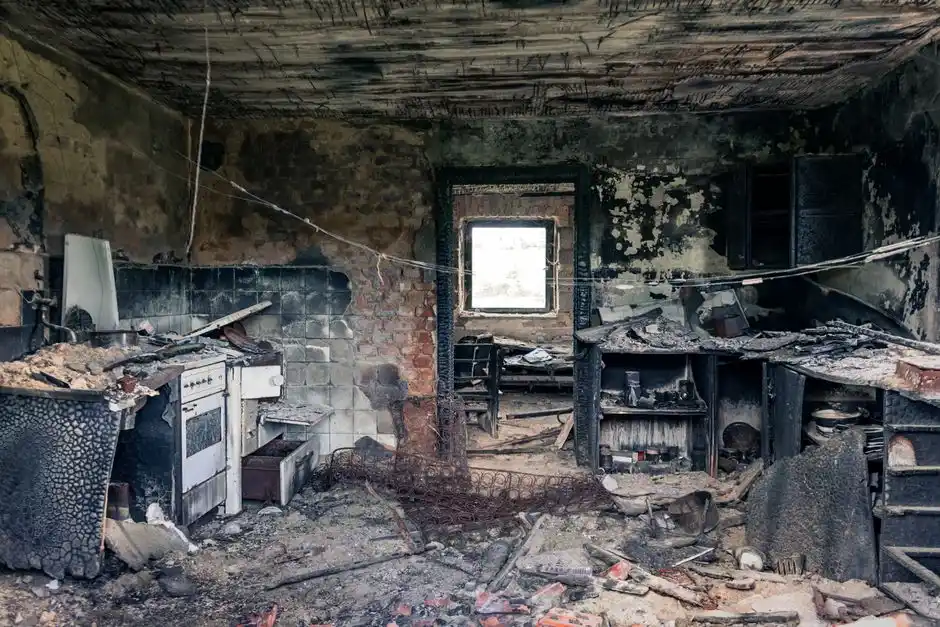
Soot Removal in VENTURA, California is the controlled removal of smoke residue, char and oily film from every surface a fire touched, plus the hidden cavities it drifted into. Soot is not ash. It is unburned carbon mixed with acids, and it stains porous drywall, grout, lumber framing and insulation within hours. Our technicians HEPA-vacuum the loose layer first, then match the cleaning agent to the surface: dry soot sponges on painted drywall, chemical sponges on cabinets, soda blaster on charred framing. Every room gets checked with a moisture meter and thermal imaging camera before we call it clean.
Most VENTURA soot removal calls we run start the same way: a kitchen fire in Midtown, an attic fire in Ondulando, or a bedroom fire in a Pierpont Bay rental where the tenant is still in the unit. Coastal humidity here works against you, because soot grabs moisture and etches deeper into drywall and window frames. That is why we treat soot damage cleanup VENTURA jobs as a same-day priority. The longer residue sits, the more drywall, insulation and lumber framing has to be cut out instead of cleaned.
Every soot removal job includes assessment, containment, cleaning, deodorization and documentation. Some jobs need more, and we tell you that up front instead of after the invoice.
Room-by-room inspection with a thermal imaging camera and moisture meter, plus a written scope and photo log. You get the assessment before equipment comes in, so you know the plan.
Zip walls, sealed registers and air scrubbers with HEPA and charcoal activated filters. This keeps soot from spreading into rooms that were not affected and protects your family during the work.
HEPA vacuuming, dry soot sponges, chemical sponges and targeted cleaners on walls, ceilings, cabinets, trim and hard furniture. Charred framing gets soda blaster treatment where the wood is salvageable.
Hydroxyl generator or thermal fogger treatment depending on odor load, plus charcoal activated filters in the air scrubbers. We re-check odor at the final walkthrough, not just on day one.
Encapsulant sealer and smoke sealant primer on porous surfaces so residual odor molecules stay locked in. This is what keeps the smell from bleeding back through fresh paint.
Photo documentation, moisture logs and an Xactimate line-item scope delivered to your adjuster. We handle the back-and-forth so your claim does not stall.
We arrive, walk the whole structure, and map the soot plume with a thermal imaging camera and moisture meter. You get a written scope and a start date before any equipment comes in. Most VENTURA assessments take 45 to 90 minutes.
We seal doorways and HVAC registers with plastic and zip walls, then set air scrubbers with HEPA and charcoal activated filters. This keeps soot from migrating into clean rooms while we work, which matters in open-plan homes and apartment buildings.
Loose soot comes off first with HEPA vacuums and dry soot sponges. Then we switch to chemical sponges and targeted cleaners for the oily film on walls, ceilings and cabinets. Charred framing gets soda blaster treatment where the wood still has structure worth saving.
After surfaces are clean, we run hydroxyl generators or thermal foggers depending on the odor load, then apply encapsulant sealer and smoke sealant primer to porous surfaces. That locks in residual odor molecules so they do not bleed back through fresh paint.
We re-inspect every room under light, check moisture readings against our baseline, and hand you a photo report. If anything still reads high, we treat it again before we pull the equipment. You sign off when the house is actually clean.
Purpose-built equipment, used by trained technicians — so the job is done accurately the first time.
Pulls loose soot off surfaces without blowing fine particles back into the air. First step on every job, before any wet cleaning starts.
Dry soot sponges lift loose residue from painted drywall. Chemical sponges handle the oily film on cabinets, trim and metal surfaces.
Runs continuously during cleaning to capture airborne soot and odor molecules. Keeps clean rooms clean while we work.
Hydroxyl generators run in occupied-adjacent spaces for odor treatment. Ozone generators handle heavy odor loads in unoccupied structures.
Pushes odor counteractant into cavities, upholstery and ductwork where a sponge cannot reach. Used after surface cleaning, not instead of it.
Strips char and residue off structural framing and roof sheathing without gouging the wood. Used where the lumber is still sound enough to save.
Finds hidden moisture from firefighting water and maps the soot plume behind walls. Both are used at assessment and at final walkthrough.
A kitchen fire left greasy wet soot across the ceiling, upper cabinets and hallway wall. The homeowner had tried wiping it and made streaks. Odor was strong throughout the first floor.
We sealed the kitchen, degreased the wet soot with chemical sponges, cleaned and sealed the ceiling, and ran hydroxyl generators for 48 hours. Final odor check passed, and only one wall needed repainting instead of the whole kitchen.
An attic fire pushed soot through the insulation and into the HVAC system. The roof sheathing was charred in two bays, and the homeowner was told the attic might be a total loss.
We removed contaminated insulation, soda-blasted the char off the sound framing, cleaned the duct system, and sealed the cavity. The adjuster approved the scope without revision, and the attic passed a final odor check.
A bedroom fire left soot in the closet, carpet and drawers. The tenant was still in the unit, and the landlord needed documentation for both the tenant and the insurance company.
We removed the contaminated carpet and mattress, cleaned closet interiors and drawer boxes, thermal-fogged the room, and delivered a photo report to both parties. The unit was re-rented two weeks later with no odor complaints.
Soot does not just look bad. These are the specific problems we hear about every week, and what happens if they are left alone.
Ask a pro →We remove the soot source first, then run hydroxyl generators and thermal foggers, and seal porous surfaces with encapsulant sealer. The smell goes away because the source is gone, not because it was masked.
Our soot removal from walls and ceilings VENTURA California crews use dry soot sponges first, then chemical sponges and targeted cleaners. We neutralize the acid rather than smearing it, which is what saves the drywall.
We seal the registers during cleaning, then clean the duct system and replace charcoal activated filters. The HVAC system gets tested before we call the job done.
We run air movers and dehumidifiers alongside soot removal, and check moisture readings daily. Drying and cleaning happen together so mold never gets a window.
Most residential soot removal jobs in Ventura run $1,200 to $4,800 in 2026, with small single-room jobs starting around $650 and whole-house jobs with duct cleaning going higher. Price depends on square footage, soot type, how many surfaces are porous, and whether HVAC ducts are contaminated. We scope it in Xactimate and give you the number before work starts.
Most soot staining comes out completely, but not all of it. Painted drywall, tile, glass and metal usually clean up fully. Porous surfaces like unfinished wood, grout that has absorbed acid, and older wallpaper often hold a shadow that only sealing and repainting fixes. We tell you which is which during the assessment so there are no surprises.
A single room takes 4 to 8 hours. A typical 1,500-square-foot home with moderate soot runs 2 to 4 days including deodorization and sealing. Attic fires and jobs with HVAC contamination take longer, usually 5 to 7 days, because duct cleaning and cavity treatment add steps. We give you a day-by-day schedule up front.
Yes, in most cases. Standard homeowners and commercial property policies in California cover soot removal as part of the fire loss, including deodorization and duct cleaning. We document the damage, photograph every affected surface, and submit an Xactimate scope directly to your adjuster so the claim moves without back-and-forth.
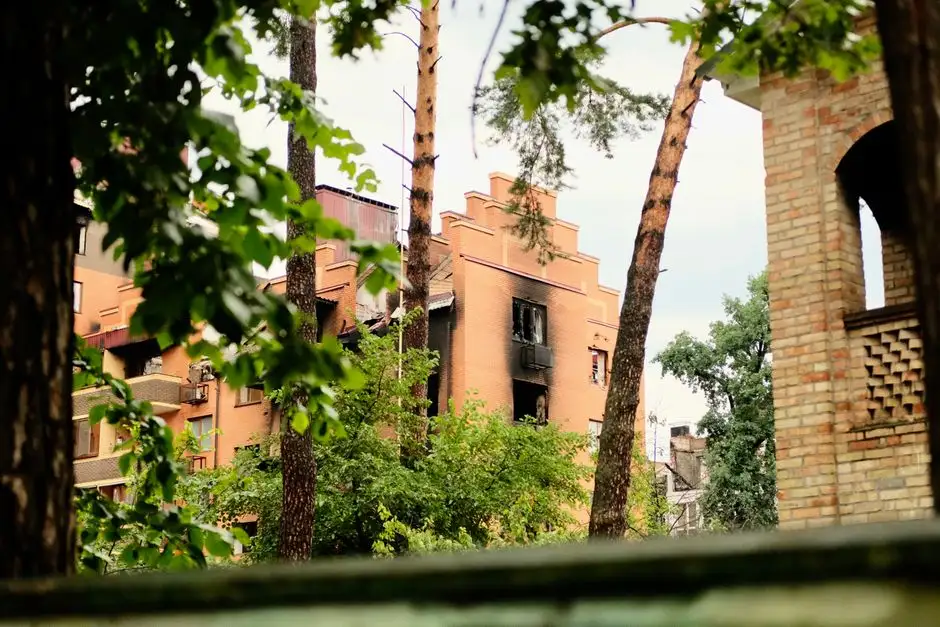 Smoke Damage RestorationSmoke damage goes deeper than visible soot. We treat wall cavities, insulation and ductwork so the residue does not keep off-gassing after the soot removal is finished.Explore →
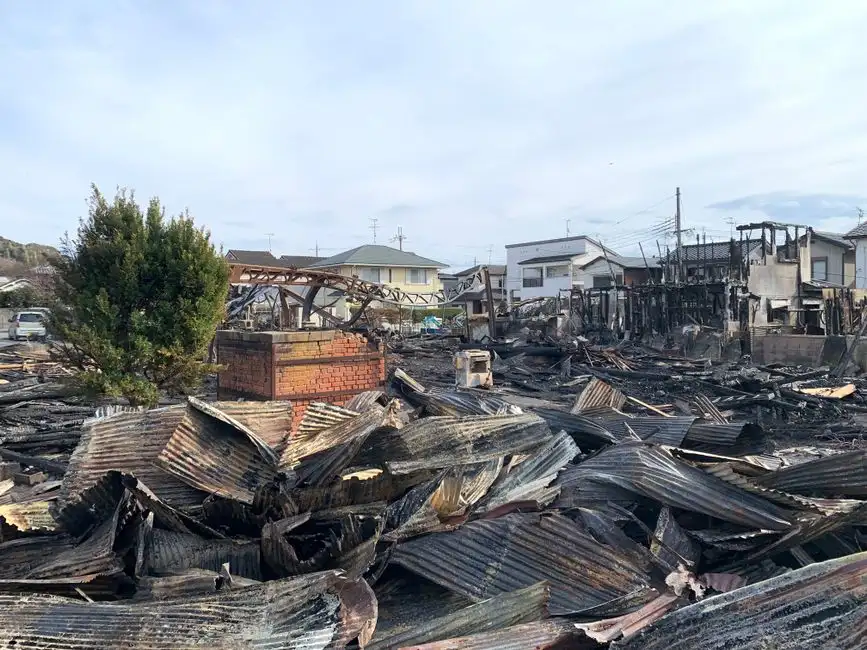 Fire Damage Clean UpFull debris removal, char removal and surface cleaning after a fire. Soot removal is the detail phase of that work, and we run both under one scope.Explore →
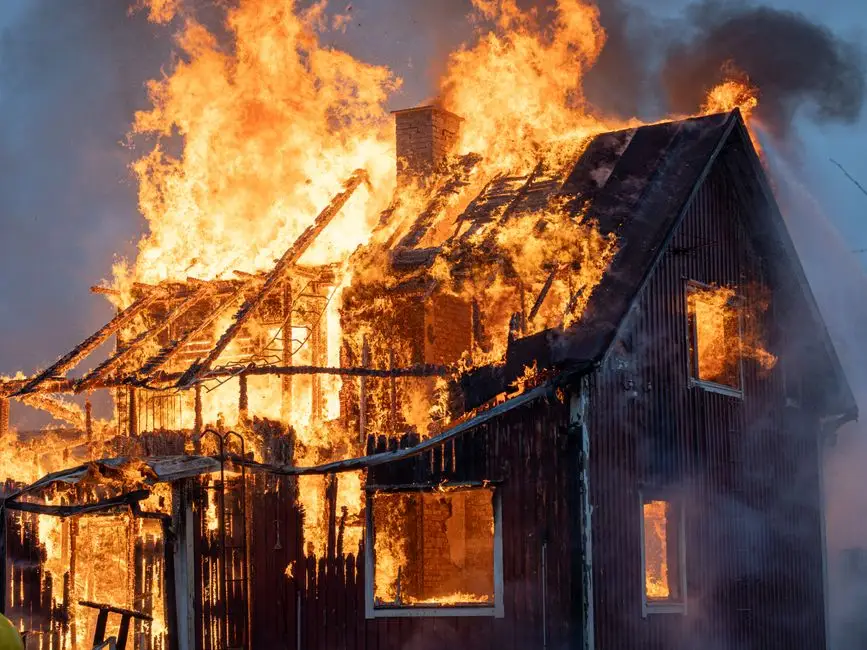 Emergency Fire Damage RestorationBoard-up, tarp-over and stabilization before soot removal begins. Getting the structure dry and secure first is what makes the cleaning phase work.Explore →
 Structural Repair After FireOnce soot is off the framing, we can see what is sound and what needs replacement. Our repair crews handle drywall, framing and finish work under the same contract.Explore →
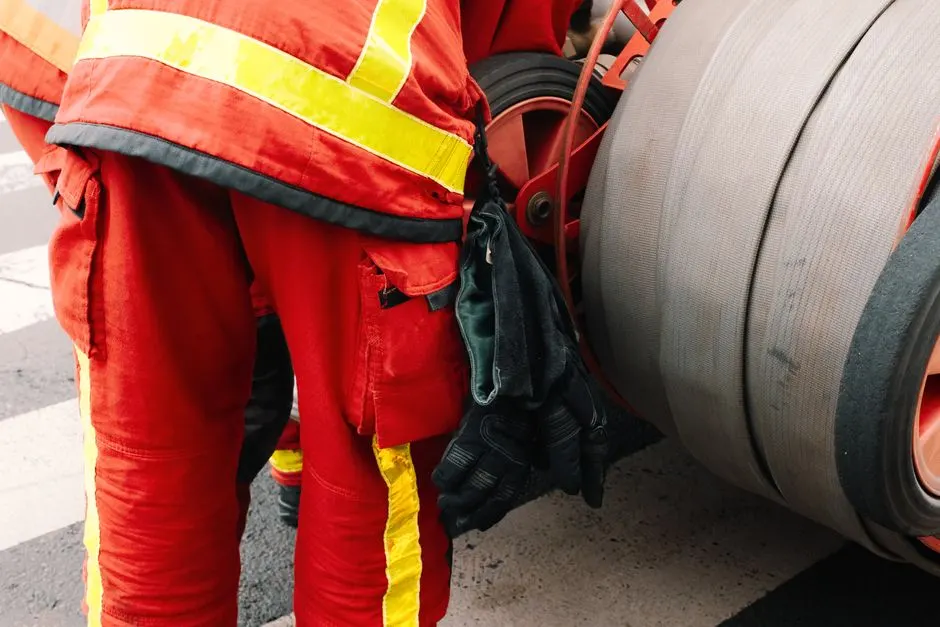 Odor Removal After FireSoot removal handles the source; odor removal handles the air. We use hydroxyl generators, thermal foggers and charcoal activated filters to finish the job.Explore →
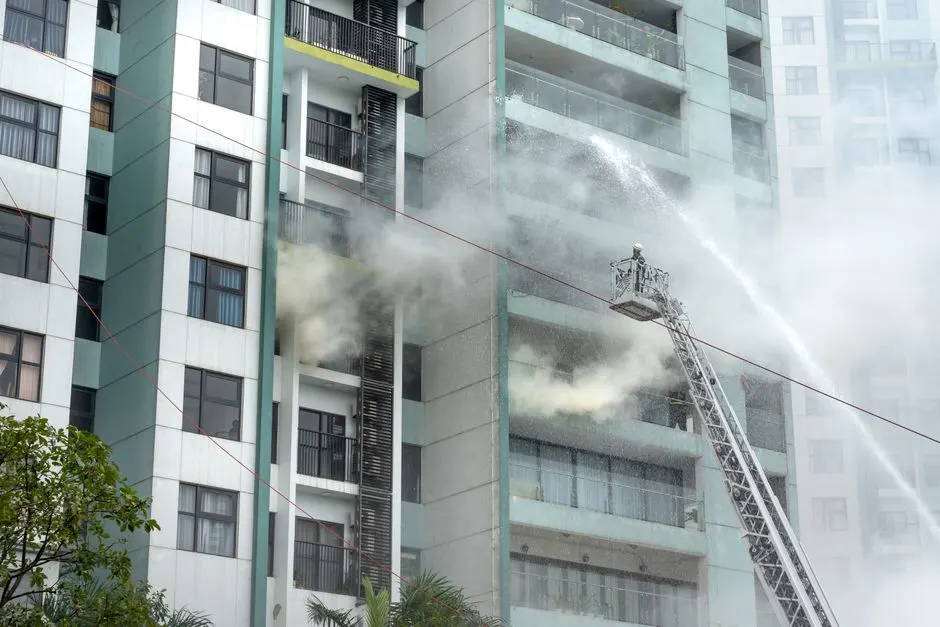 Smoke RemediationTargeted treatment for smoke residue in HVAC systems, attics and wall cavities where a sponge cannot reach. It pairs directly with soot cleanup in VENTURA.Explore →
 Fire and Flood RestorationFirefighting water causes its own damage. We dry the structure with air movers and dehumidifiers while soot removal is underway, so mold does not get a foothold.Explore →
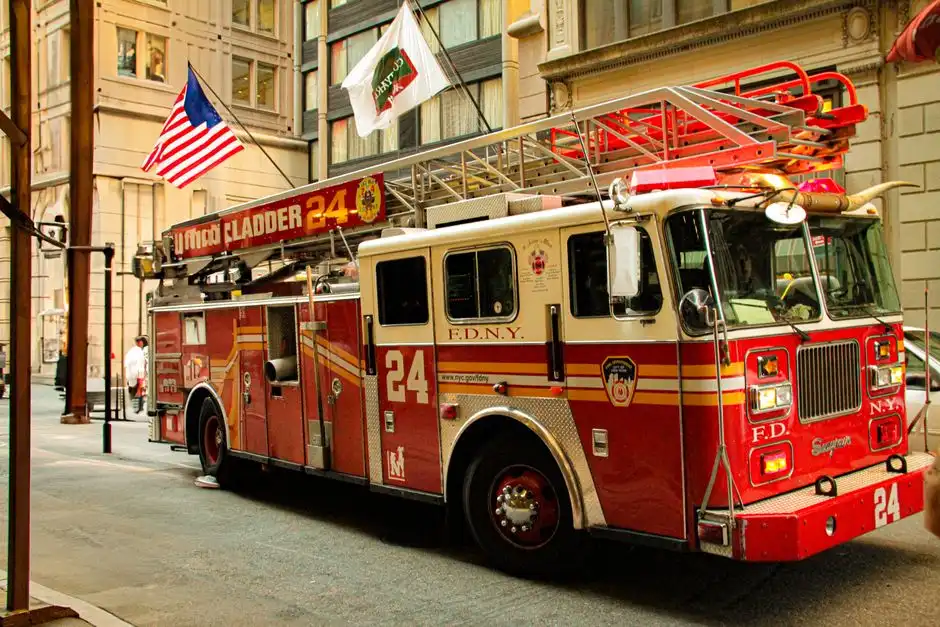 24 hour Fire RestorationRound-the-clock response for fires that happen at 2 a.m. or on a holiday. Soot removal starts the same night when the structure is safe to enter.Explore →
Soot keeps etching every hour it sits. Call (833) 929-6186 and we will schedule an assessment, give you a written scope, and start soot cleanup the same day when the structure is safe. Licensed, insured, and working to IICRC standards.
Call Now (833) 929-6186 →Call us any hour at (833) 929-6186 and a live dispatcher will take your details and dispatch the closest crew. We answer 24/7, including holidays, and we give you a real arrival window instead of a vague promise. You can also email us at info@firedamagerestorationventura.com or stop by our office during business hours.