Smoke odor lingers after fire weeks later
We locate the source with thermal imaging, remove what cannot be saved, seal porous materials that stay, and run air treatment until a re-check confirms the odor is gone. No masking, no guessing.
Odor Removal After Fire in VENTURA, California means getting the smoke smell out of drywall, insulation, ducts and furniture, not masking it with a spray. If your house still smells like a campfire weeks after the flames were put out, the residue is still off-gassing. We find where it soaked in, seal or remove it, and run the equipment until a clean-air test proves the job is done.
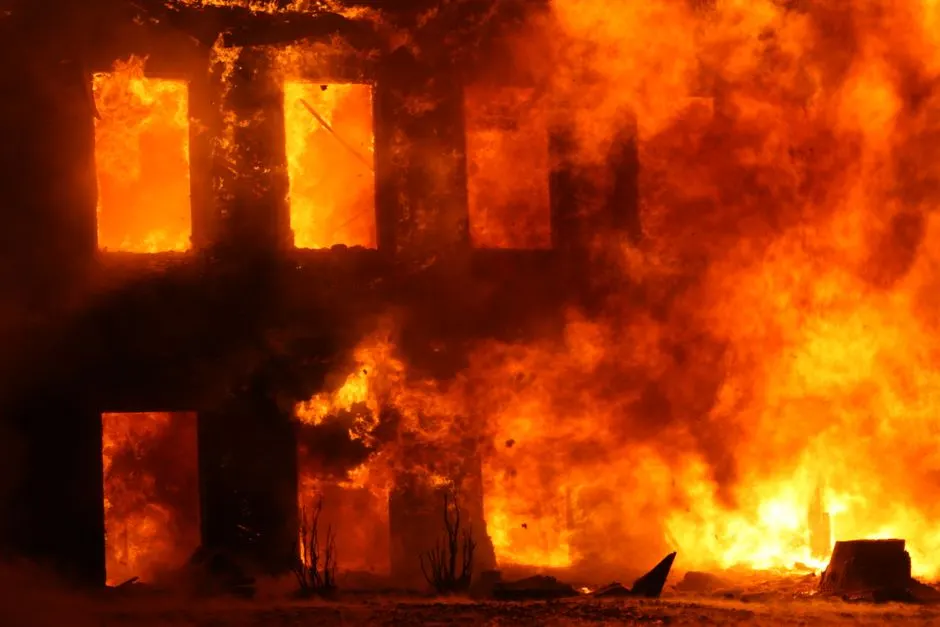
Odor Removal After Fire in VENTURA, California is a restoration process that locates and neutralizes smoke residue trapped in building materials, HVAC systems and contents so the structure stops smelling like a fire. Smoke is not a surface stain. It is a gas-and-particle mix that pushes into wall cavities, attic insulation and ductwork while the fire is still burning. Charcoal activated filters and a soot sponge handle what you can see. The smell lives in what you cannot see.
Most calls we get in VENTURA come days or weeks after the fire trucks left, when the homeowner realizes the smell got worse, not better. That is normal. Heat opens pores in drywall and lumber framing, smoke fills them, and the material cools around the residue. Add coastal humidity and the odor reactivates every time the marine layer rolls in. If you are searching for professional smoke odor removal near me VENTURA, the fix is source removal plus air treatment, not another candle.
Every job includes assessment, source removal, surface and cavity treatment, air treatment and a final verification. What changes is how far the smoke traveled. We scope the work from what we find, not from a flat package price, so you are not paying to treat rooms that never saw smoke.
We map smoke travel with a thermal imaging camera and check moisture from firefighting water. This tells us which cavities and ducts need treatment before we quote the job.
Every surface gets HEPA vacuuming and soot sponge work before anything wet touches it. Skipping this step smears oily residue deeper and makes the odor harder to clear.
A thermal fogger reaches cavities a sponge cannot, and ozone or hydroxyl generators neutralize the residual gas. Treatment cycles run 8 to 24 hours per zone with the space cleared.
Drywall, framing and sheathing that stay get encapsulant sealer or smoke sealant primer. This locks in residue that cannot be removed without demolition and stops it off-gassing later.
Smoke-damaged HVAC ducts get cleaned or isolated so the system does not push odor through the house the first time you run the heat. We check the air handler and returns, not just the registers.
We re-check every room, including closets and the attic, with air sampling and a nose test. If odor remains, we treat again before we call the job done and hand you the documentation.
We walk the house with a moisture meter and thermal imaging camera to map where smoke traveled. Attics, wall cavities and HVAC ducts get checked, not just the burned room. You get a written scope and price the same day, usually within 2 hours of the call.
Crews pull charred drywall, smoke-soaked insulation and unsalvageable debris, then HEPA vacuum every surface before anything gets wet. This is the step most cheap odor jobs skip, and it is why their results fade in a month. Expect 1 to 3 days depending on square footage.
Walls and framing get soot sponge work, then encapsulant sealer or smoke sealant primer on porous surfaces that stay. Ductwork is cleaned or isolated so the HVAC does not redistribute odor the first time you turn it on. Fire-rated caulk closes penetrations we open.
We run a thermal fogger to reach cavities a sponge cannot, then ozone generators or hydroxyl generators for the residual gas. Air scrubbers with charcoal activated filters run continuously. Treatment cycles usually run 8 to 24 hours per zone, and nobody re-enters until we clear it.
We re-check with air sampling and a nose test in every room, including closets and the attic. If odor remains, we treat again before we call it done. You get photos, readings and a written summary you can hand to your adjuster.
Purpose-built equipment, used by trained technicians — so the job is done accurately the first time.
Vaporizes a deodorizing agent into a fog that reaches wall cavities, attic spaces and voids a sponge cannot touch. It is the main tool for odor that has soaked into framing.
Neutralizes residual smoke gas in unoccupied spaces. We run it in cycles of 8 to 24 hours per zone and clear the space before anyone re-enters.
Treats odor in occupied or sensitive spaces where ozone is not appropriate. It works slower but can run while contents and finishes are still in place.
Pulls fine smoke particles and odor molecules out of the air while crews work. We run scrubbers continuously until particle counts drop.
Removes dry soot and residue before any wet cleaning. This is the step that prevents smearing and makes the rest of the treatment hold.
Maps where smoke traveled and where firefighting water is still trapped. Both readings shape the scope before we quote the job.
Dry the structure after firefighting water so mold does not add a second odor problem. Commercial-grade units move enough air volume to dry cavities, not just surfaces.
A grease fire was put out within minutes, but two weeks later the whole house smelled like burnt oil. The homeowner had painted the kitchen, which did not help. Ductwork and cabinet backs were still carrying residue.
We removed the cabinet backs and a section of drywall, HEPA vacuumed and sealed the cavity, cleaned the ducts, and ran ozone for two days. Air sampling cleared on day four, and the smell did not return when the stove was used.
An attic fire was contained to the roof, but smoke soaked the insulation and sheathing. The smell came back every time the marine layer rolled in, and the homeowner was ready to replace the roof.
We removed saturated insulation, treated the framing with a thermal fogger, sealed the sheathing, and ran hydroxyl generators for 18 hours. The attic stopped off-gassing, and the roof was saved instead of replaced.
A unit fire left smoke in two neighboring apartments through shared ductwork. Tenants were complaining within a week, and the owner was worried about losing leases.
We treated all three units, cleaned the shared ducts, and documented each unit separately for the insurer. All three passed a nose test within six days, and no tenant moved out.
Most odor complaints we hear are the same handful of problems, and each one has a specific fix. Here is what goes wrong when smoke residue is left in place and how we handle it.
Ask a pro →We locate the source with thermal imaging, remove what cannot be saved, seal porous materials that stay, and run air treatment until a re-check confirms the odor is gone. No masking, no guessing.
We inspect and clean the ductwork or isolate it during treatment, then verify the system is not redistributing odor before we release the house. That is the step most cheap odor jobs skip.
We use dry soot sponges and HEPA vacuums first, then a smoke sealant primer on surfaces that stay. Paint goes on over a sealed surface, not over residue.
We dry the structure with Dri-Eaz dehumidifiers and air movers before odor treatment, then treat the cavity. IICRC WRT and ASD practices guide the drying, and we log moisture readings.
Most residential odor jobs in VENTURA run $1,200 to $6,500 in 2026, with a single room at the low end and a whole-house job with duct cleaning at the top. Square footage, how deep the smoke traveled, and whether ductwork needs treatment drive the number. We give you a written scope before work starts, and insurance often covers most of it.
You remove the source, then treat the air. That means pulling charred drywall and smoke-soaked insulation, HEPA vacuuming every surface, sealing porous materials that stay, and running thermal fogging plus ozone or hydroxyl treatment. Masking sprays and candles do not work because the residue is still off-gassing from inside the walls.
A single room usually clears in 2 to 4 days. A whole-house job with attic and ductwork involvement runs 5 to 10 days, and heavy structural loss can push past two weeks. Air treatment cycles alone run 8 to 24 hours per zone, and we do not release a space until a re-check confirms the odor is gone.
Yes, in most cases. Standard homeowner policies treat odor removal as part of the covered fire loss, and we build the scope in Xactimate so your adjuster can process it quickly. We photograph affected materials and log air readings to support the claim. Call us and we will walk you through what your policy likely covers.
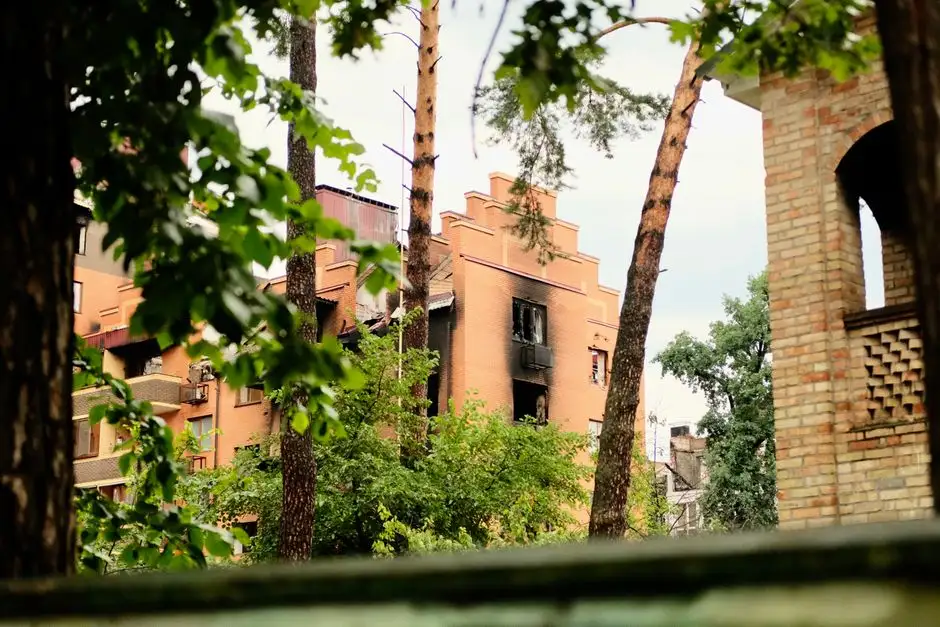 Smoke Damage RestorationSmoke damage restoration handles the visible staining and residue that odor removal treats at the source. We usually run both together so walls, ceilings and contents are cleaned before sealing and air treatment begin.Explore →
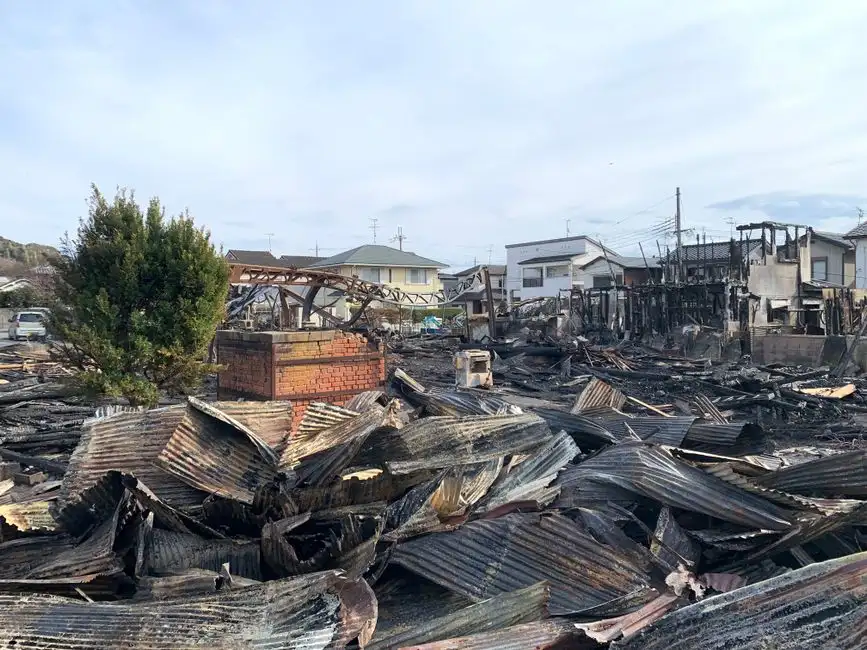 Fire Damage Clean UpCleanup removes charred debris and unsalvageable materials, which is the first step of any odor job. Without it, smoke residue keeps off-gassing from the debris pile and no amount of air treatment will hold.Explore →
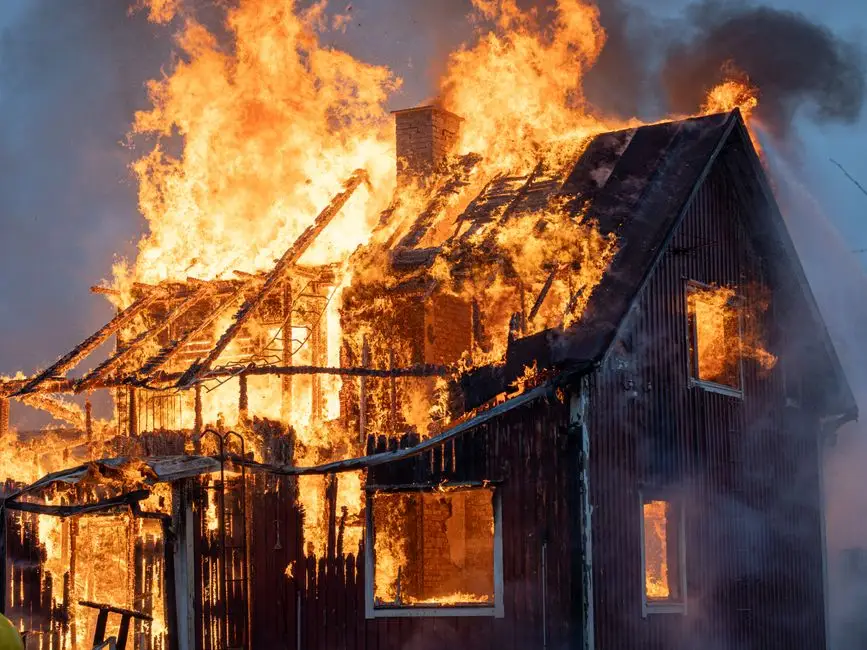 Emergency Fire Damage RestorationEmergency response boards up openings and stops further damage within hours of the fire. Getting the structure secured fast limits how far smoke travels, which directly reduces the scope of odor removal later.Explore →
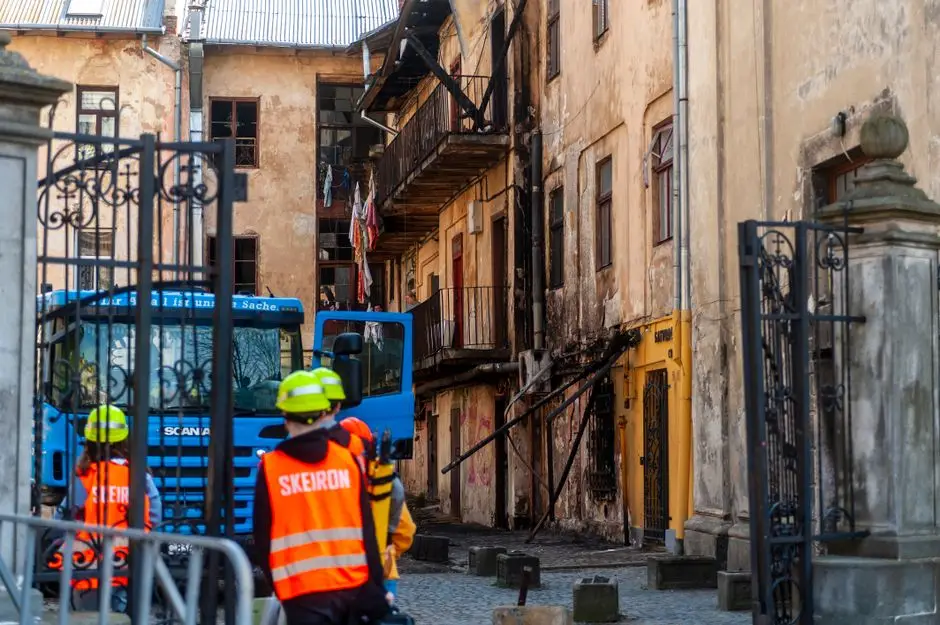 Structural Repair After FireOnce odor treatment clears the air, structural repair replaces charred framing, drywall and roof sheathing. We sequence the two so we are not sealing walls that still carry smoke residue inside the cavity.Explore →
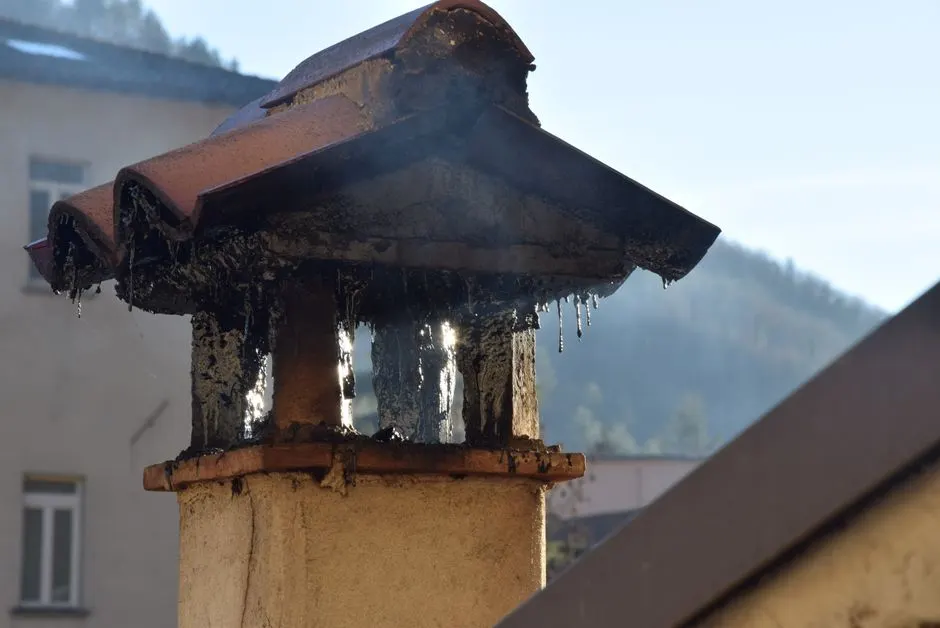 Soot RemovalSoot removal with dry sponges and HEPA vacuums comes before any wet cleaning or sealing. Skipping it smears oily residue deeper into drywall and makes odor removal harder and more expensive.Explore →
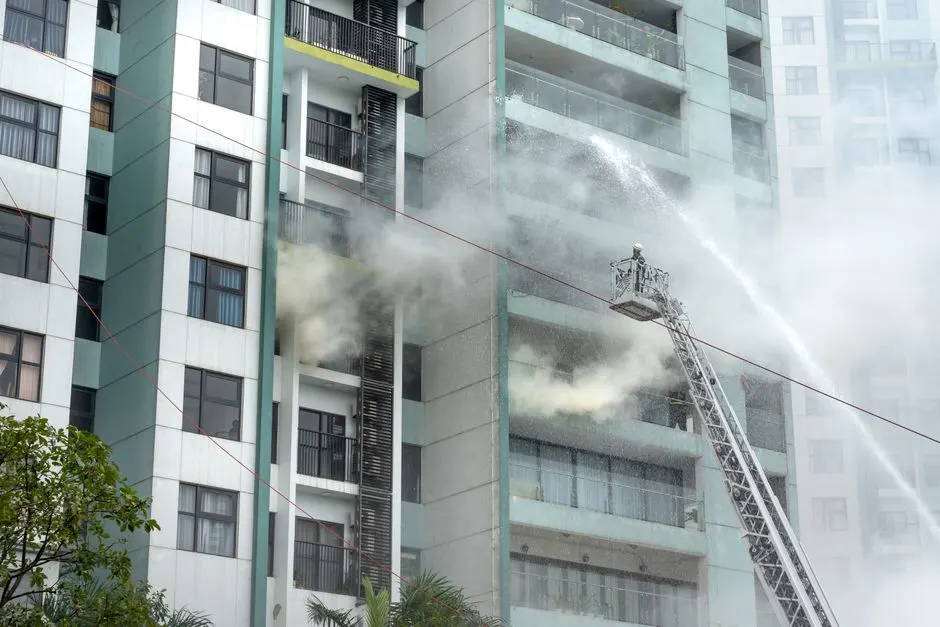 Smoke RemediationSmoke remediation covers the full process from particle removal to air treatment. Odor removal is the final phase, and we do not close a job until a re-check confirms the smell is gone.Explore →
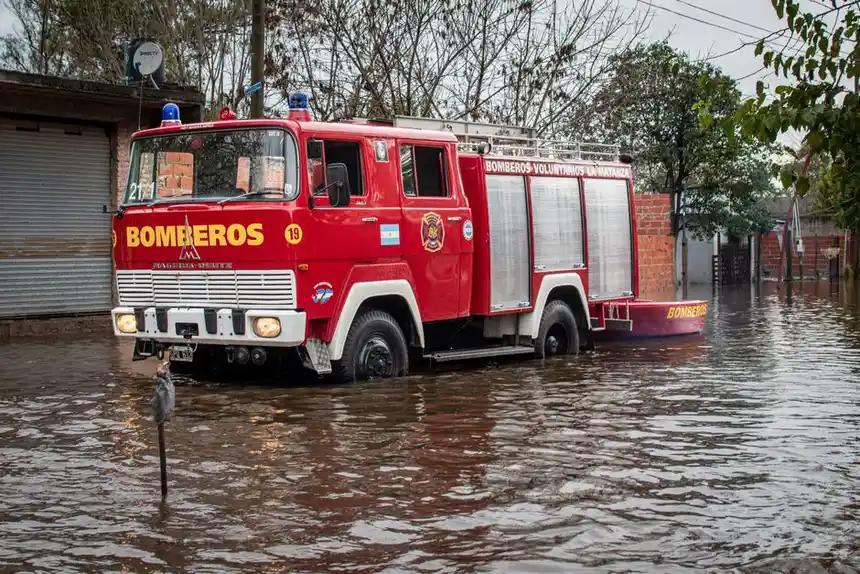 Fire and Flood RestorationFirefighting water often leaves moisture behind, and damp materials hold smoke odor longer. We dry the structure with dehumidifiers and air movers before odor treatment so the result actually holds.Explore →
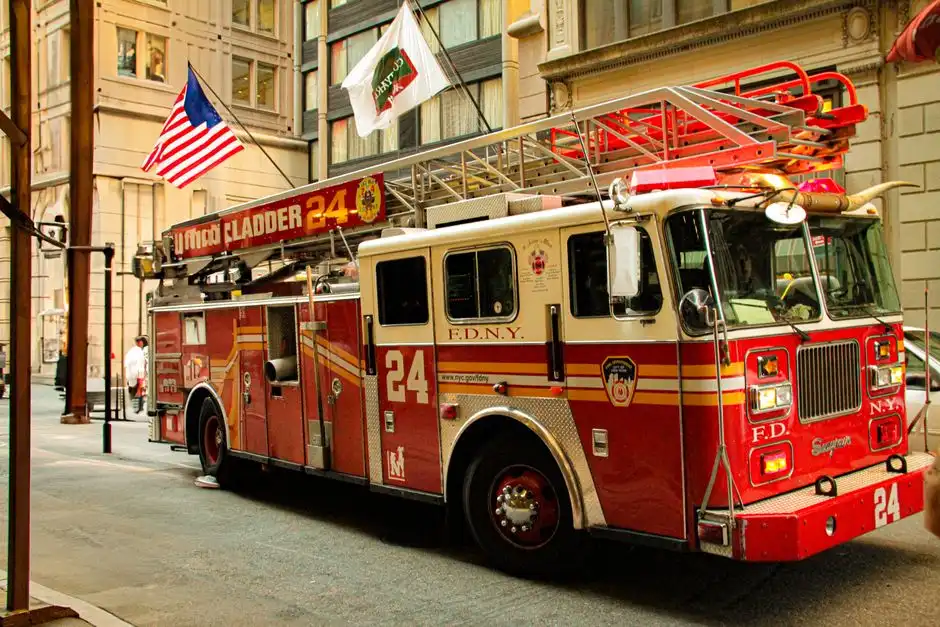 24 hour Fire RestorationOur 24/7 line takes calls at 2 a.m. after a kitchen fire. Early response limits smoke spread into ducts and cavities, which is the difference between a 2-day odor job and a 10-day one.Explore →
Smoke smell gets worse with time, not better, because residue keeps off-gassing from inside the walls. Call and we will assess the same day, give you a written scope, and tell you exactly what it takes to clear the air. Licensed, insured and IICRC certified.
Schedule an Assessment (833) 929-6186 →Call us any hour at (833) 929-6186 and a live dispatcher will take your details and dispatch the closest crew. We answer 24/7, including holidays, and we give you a real arrival window instead of a vague promise. You can also email us at info@firedamagerestorationventura.com or stop by our office during business hours.