01
Emergency Call and Board-Up
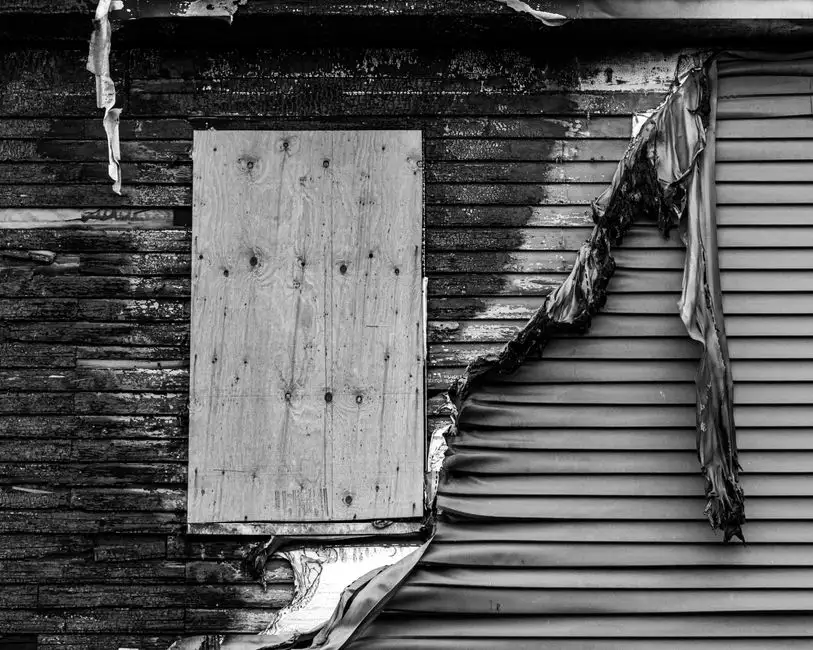
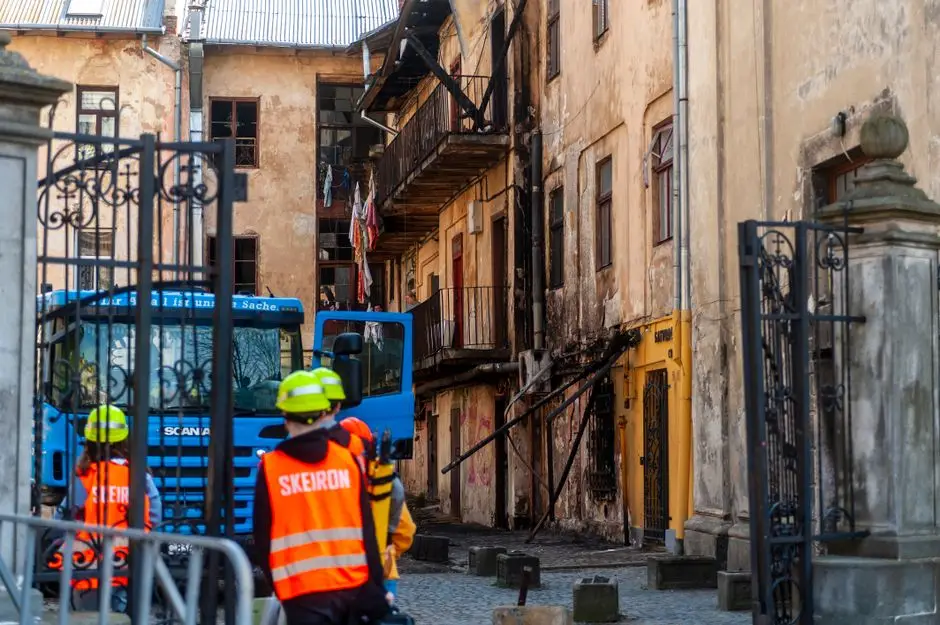
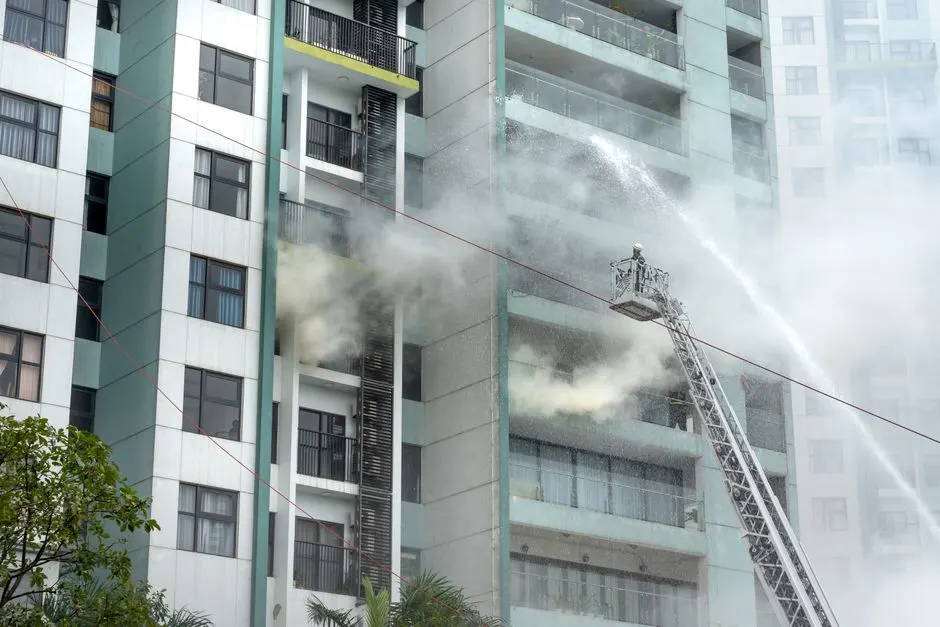
You call, we dispatch. Within hours a crew arrives to secure the property, tarp the roof if needed, and board broken windows. We shut off utilities if the fire damaged wiring or gas lines, then walk the structure with a thermal imaging camera to find hidden moisture and hot spots. You get a written scope before demolition starts.
02
Water Extraction and Drying
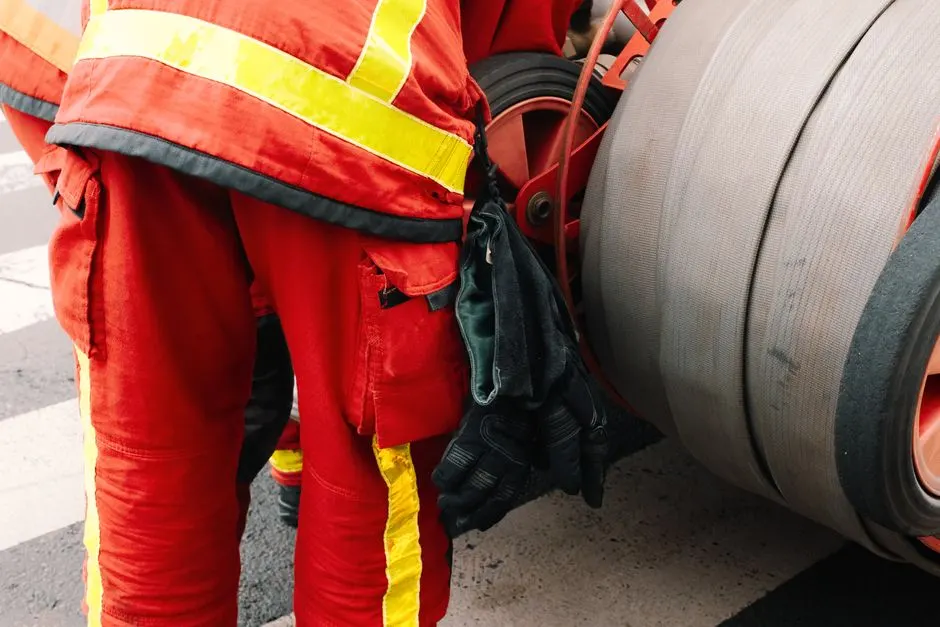
Standing water from firefighting efforts comes out first with truck-mounted extractors and wet vacuums. Then we set air movers and dehumidifiers to dry the framing, subfloor, and drywall. Technicians check moisture meter readings daily, and drying typically takes three to five days depending on how much water soaked into the structure and how thick the walls are.
03
Soot and Char Removal
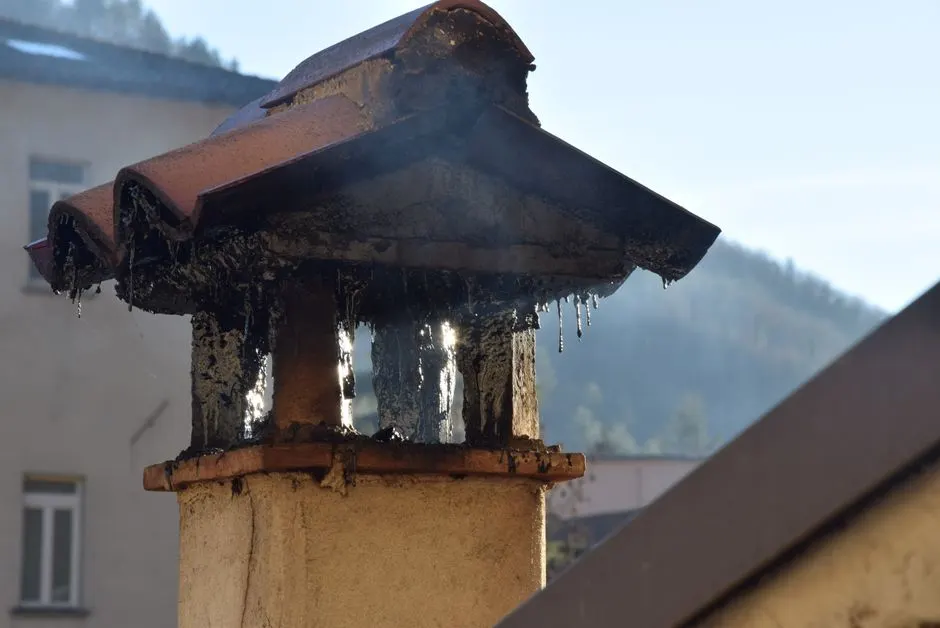
Dry soot comes off with HEPA vacuums and soot sponges. Stubborn char on framing gets removed with a soda blaster or drywall saw, depending on depth. We seal remaining smoke-damaged surfaces with a smoke sealant primer and encapsulant sealer so odor cannot bleed through new paint. Ductwork gets cleaned or replaced if smoke traveled through the HVAC system.
04
Odor Neutralization
After the visible soot is gone, we run thermal foggers and hydroxyl generators for 24 to 48 hours to break down odor molecules trapped in insulation, lumber, and upholstery. Charcoal activated filters scrub the air in closed rooms. This step is what keeps the smoke smell from returning on a hot day or when the furnace runs.
05
Structural Repair and Walkthrough
Final phase is rebuild: new drywall, insulation, lumber framing, paint, and trim. We pull permits where Ventura code requires them and schedule inspections. Before we hand back the keys, we walk every room with you, test moisture readings one last time, and confirm the odor is gone. The job is not done until you sign off.